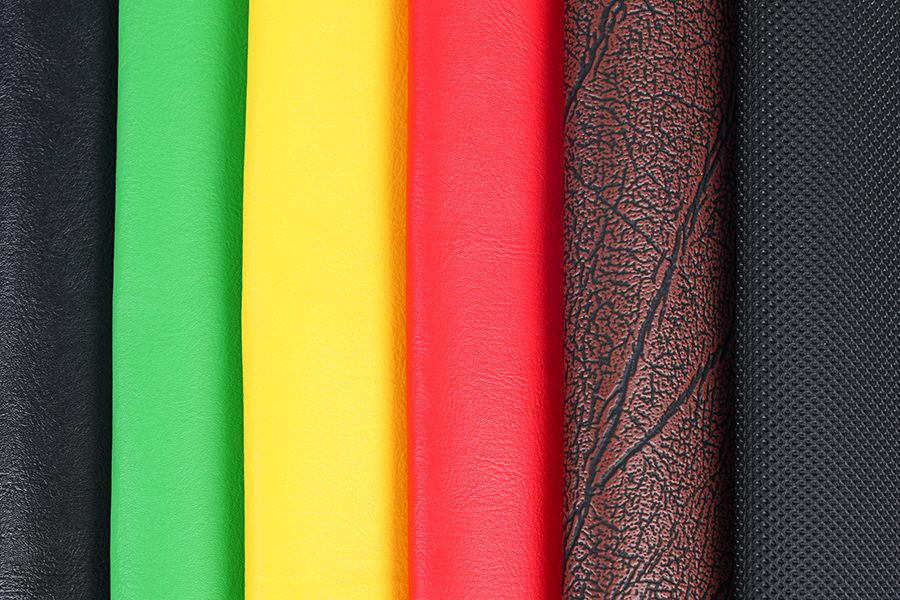
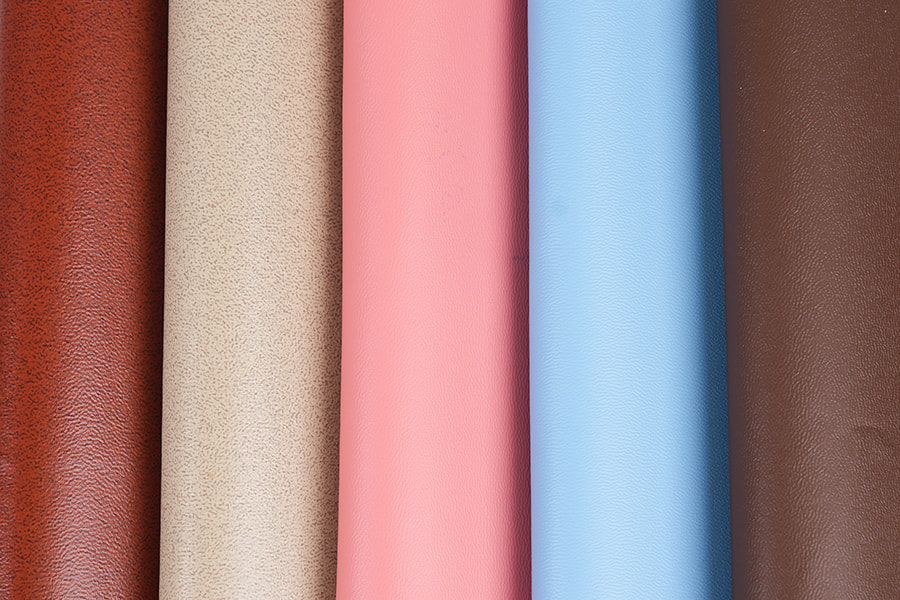
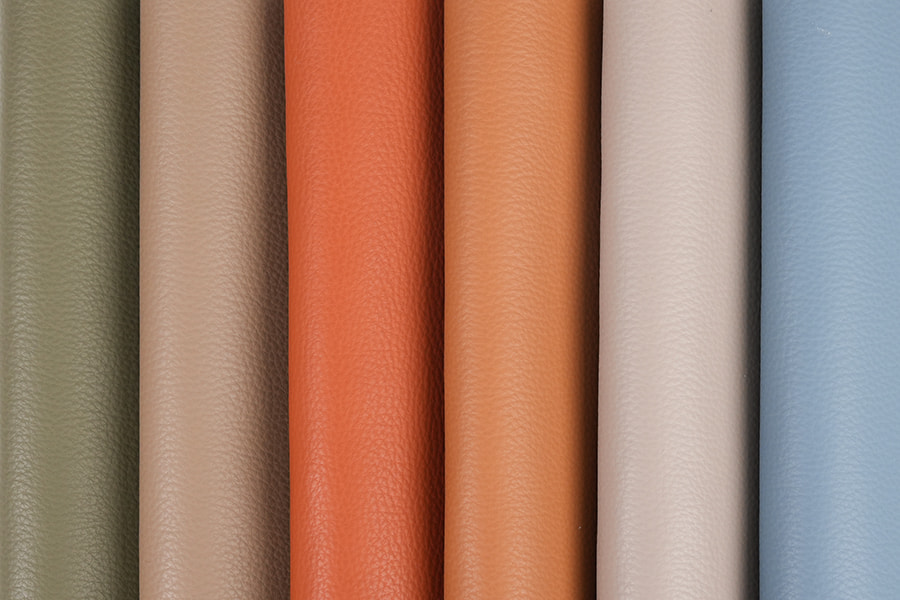
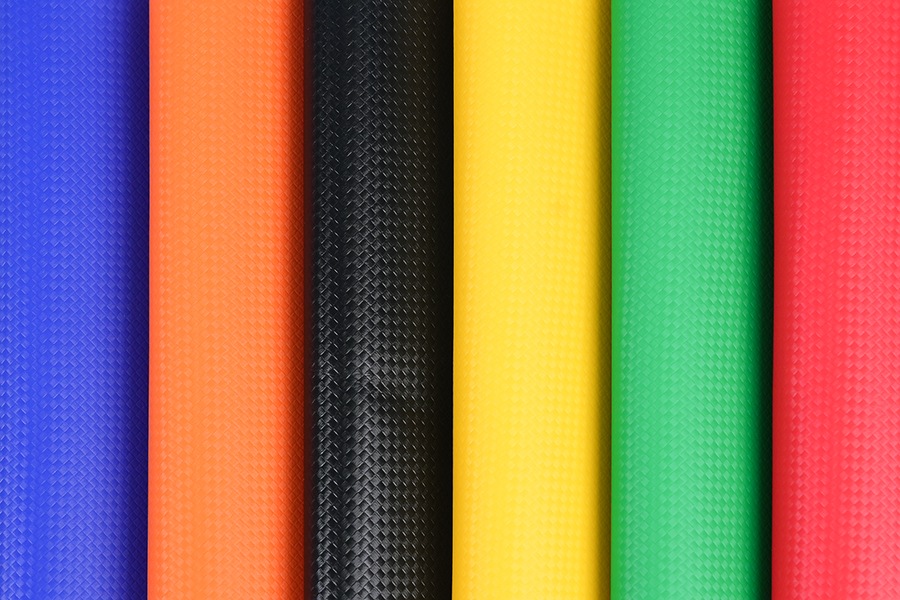
به عنوان یک ماده کلیدی برای فضای داخلی محفظه مسافر، عملکرد ایمنی چرم مصنوعی خودرو مهم است. در میان بسیاری از شاخص های عملکرد آن، تاخیر در شعله یک تمرکز کلیدی برای خودروسازان جهانی (OEMs) و تنظیم کننده ها است. مواد داخلی خودرو باید یک سری استانداردهای دقیق بازدارنده شعله خودرو را رعایت کنند تا اطمینان حاصل شود که در صورت آتش سوزی باعث کاهش احتراق می شوند و از فرار سرنشینان محافظت می کنند.
مقررات اصلی جهانی: FMVSS 302 و EAC/ECE
سنگ بنای استانداردهای بازدارندگی شعله خودرو، آزمایش سوختن افقی است، که به طور گسترده مورد استفاده و الزام آورترین الزامات نظارتی در سراسر جهان است.
1. ایالات متحده: FMVSS 302
FMVSS 302 (استاندارد فدرال ایمنی وسایل نقلیه موتوری 302) بخشی از استاندارد ایمنی وسایل نقلیه موتوری فدرال ایالات متحده است و به عنوان اساسی ترین نیاز به تاخیر در شعله توسط صنعت خودروسازی جهانی شناخته شده است. تقریباً تمام مواد خودرویی که وارد بازار آمریکای شمالی میشوند یا با تولیدکنندگان OEM ایالات متحده درگیر میشوند باید این آزمون را پشت سر بگذارند.
اصل آزمایش: یک نمونه ماده (معمولاً 100 میلی متر در 356 میلی متر) به صورت افقی روی پایه U شکل قرار می گیرد. یک جرقه زن به مدت 15 ثانیه شعله ای را به انتهای در معرض مواد اعمال می کند.
مشخصات کلیدی: FMVSS 302 در درجه اول بر روی سرعت سوختن مواد تمرکز دارد.
شرایط صلاحیت:
حداکثر سرعت سوختگی نباید از 102 میلی متر در دقیقه (4.0 اینچ در دقیقه) تجاوز کند.
این ماده باید قبل از رسیدن به علامت زمان اول خود خاموش شود (یعنی نرخ سوختن (NB) را نشان نمی دهد) یا قبل از رسیدن به علامت زمان دوم خاموش شود و نیاز نرخ سوختگی را برآورده کند.
کاربرد مواد: FMVSS 302 برای تمام مواد داخلی محفظه سرنشینان، از جمله صندلی ها، پانل درها، سربرگ ها، فرش ها و چرم مصنوعی اعمال می شود. برای چرم مصنوعی خودرو، دستیابی به رتبه "خود خاموش شونده" (NB) به طور کلی یک روش استاندارد در بین تولید کنندگان پیشرو است.
2. اروپا و بین المللی: ECE R118 / ECE R107
مقررات کمیسیون اقتصادی اروپا (ECE) نیز تأثیر قابل توجهی در اتحادیه اروپا، آسیا و سایر مناطق دارد.
ECE R118: اصولاً به الزامات اشتعال پذیری مواد داخلی مورد استفاده در وسایل نقلیه عمومی (مانند اتوبوس و اتوبوس) می پردازد و به طور کلی سختگیرانه تر از استانداردهای خودروهای سواری است.
ECE R107: ساختارهای خاص خودرو و الزامات ایمنی عمومی مورد توجه قرار گرفته است، و ضمیمه های آن نیز شامل الزامات بازدارندگی شعله برای مواد داخلی است.
این مقررات اروپایی نیز بر اساس اصل احتراق افقی است، اما ممکن است جزئیات خاصی در مورد زمان اعمال شعله، محیط آزمایش و طبقه بندی مواد داشته باشد.
استانداردهای ویژه و سختگیرانه OEM: افزایش موانع ایمنی
بسیاری از خودروسازان بزرگ، علاوه بر رعایت مقررات ملی (مانند FMVSS 302)، استانداردهای اختصاصی OEM خود را نیز توسعه می دهند. این استانداردها اغلب برای رفع نیازهای فروش جهانی در بازارهای مختلف و ارتقای تصویر ایمنی برندشان سختگیرانه تر هستند.
1. سوزاندن عمودی
اگرچه FMVSS 302 یک تست افقی است، برخی از OEM ها یا برنامه های کاربردی خاص (مانند سربرگ ها و فرش ها) ممکن است به تست های سوزاندن عمودی نیاز داشته باشند، به عنوان مثال، طبق UL 94 یا سایر استانداردهای داخلی.
اصل آزمایش: نمونه مواد به صورت عمودی ثابت می شود و شعله از پایین اعمال می شود.
معیارهای کلیدی: تستهای سوزاندن عمودی بر این موضوع تمرکز میکنند که آیا مواد پس از حذف شعله (زمان پس از شعله) به سوختن ادامه میدهند یا خیر، آیا میچکد (چک میکند)، و زمان بعد از تابش. معمولاً آزمون های عمودی چالش برانگیزتر از آزمون های افقی در نظر گرفته می شوند.
2. نرخ انتشار گرما (HRR)
در ارزیابیهای ایمنی سطح بالاتر، مانند خودروهای اسپرت با کارایی بالا یا وسایل نقلیه با ارزش بالا، سازندگان ممکن است به استانداردهایی مانند ISO 5660 مراجعه کنند و از کالریسنج مخروطی برای اندازهگیری میزان انتشار حرارت مواد (HRR) استفاده کنند.
اهمیت: HRR یک معیار کلیدی است که سرعت آزاد شدن انرژی در طی احتراق یک ماده را اندازه گیری می کند. هرچه احتراق سریعتر و گرمای بیشتری آزاد شود، آتش سریعتر و شدیدتر گسترش می یابد. چرم مصنوعی کم HRR به کاهش افزایش دما در محفظه سرنشین کمک میکند و برای سرنشینان زمان ارزشمندی برای فرار میخرد.
3. تراکم دود و سمیت
تهدید اولیه در آتش سوزی خود شعله نیست، بلکه دود و گازهای سمی است. بنابراین، ارزیابی های مقاوم در برابر شعله برای چرم مصنوعی توجه فزاینده ای را به خود جلب می کند:
تراکم دود: این میزان معمولاً با استفاده از استانداردهایی مانند ISO 5659-2 یا ASTM E662 اندازه گیری می شود. مواد با چگالی دود کم، دید واضح را برای سرنشینان در آتش سوزی تضمین می کند و فرار را تسهیل می کند.
سمیت دود: این ترکیب گازهای حاصل از احتراق مانند مونوکسید کربن، سیانید هیدروژن و اکسیدهای نیتروژن را اندازه گیری می کند. این تضمین می کند که درمان ضد شعله از انتشار گازهای سمی بیشتر جلوگیری می کند. انتخاب ضد اشتعال برای چرم مصنوعی به طور مستقیم بر عملکرد دود و سمیت آن تأثیر می گذارد.
فناوری بازدارنده شعله: یک چالش علم مواد
برای رعایت این استانداردهای سختگیرانه، تولیدکنندگان چرم مصنوعی خودرو باید از مواد بازدارنده شعله (FRs) خاصی در بستر پلیمری و پوشش سطح استفاده کنند.
بازدارنده های شعله غیر هالوژنه (FRs): به دلیل نگرانی های زیست محیطی و سمیت کم دود، صنعت به استفاده از FR های بدون هالوژن مانند FR های مبتنی بر فسفر، نیتروژن، سیلیکون یا آلومینیوم/منیزیم هیدروکسید برای جایگزینی FR های هالوژنه سنتی روی آورده است.
تعادل عملکرد: چالش کلیدی حرفه ای این است که اطمینان حاصل شود که افزودن مواد بازدارنده شعله به طور قابل توجهی خواص فیزیکی اصلی چرم مصنوعی مانند لمس، مقاومت در برابر سایش، پایداری نور و مقاومت در برابر هیدرولیز را به خطر نمی اندازد.