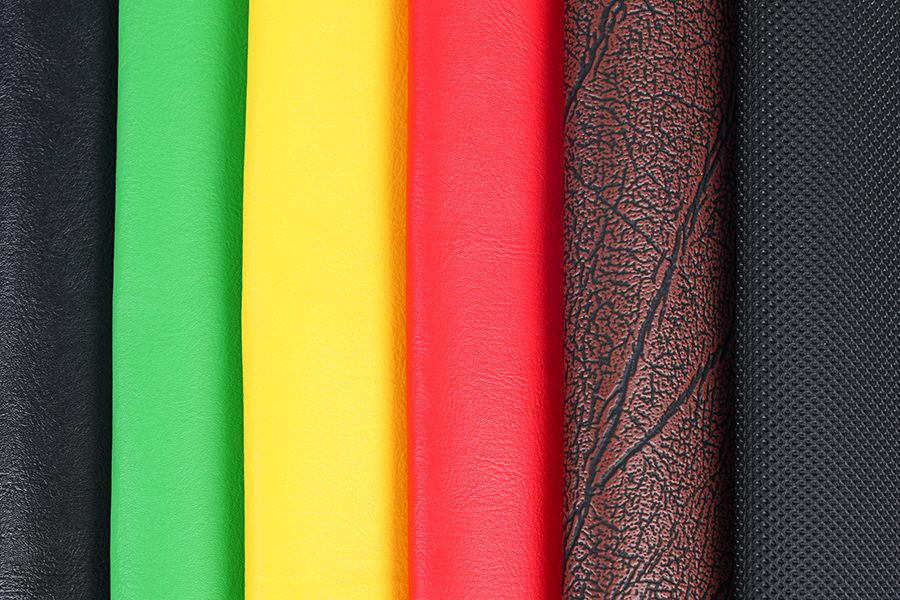
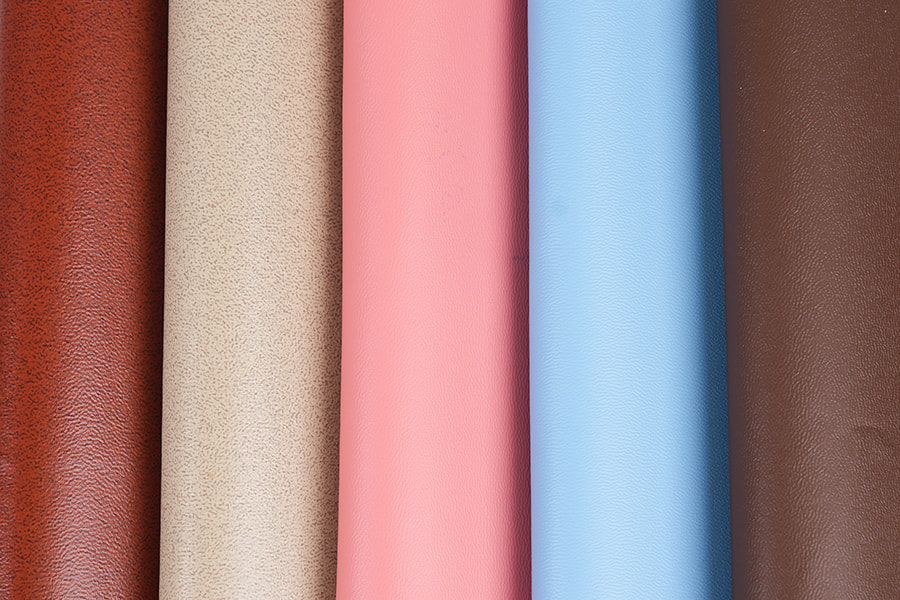
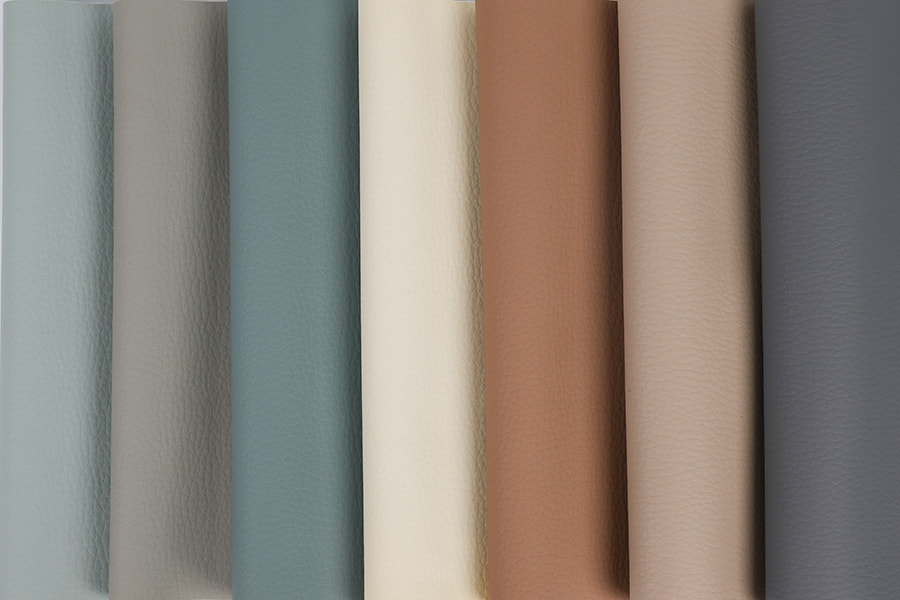
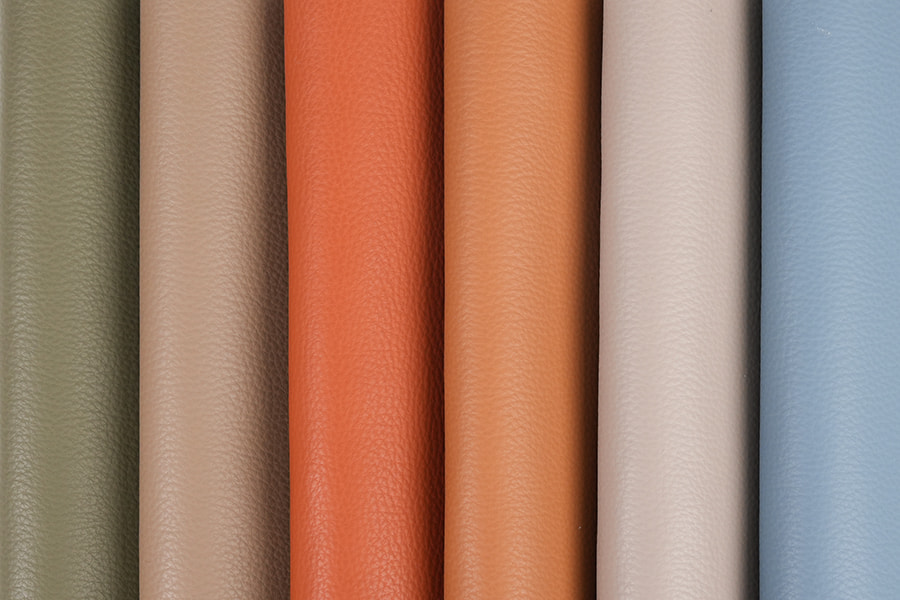
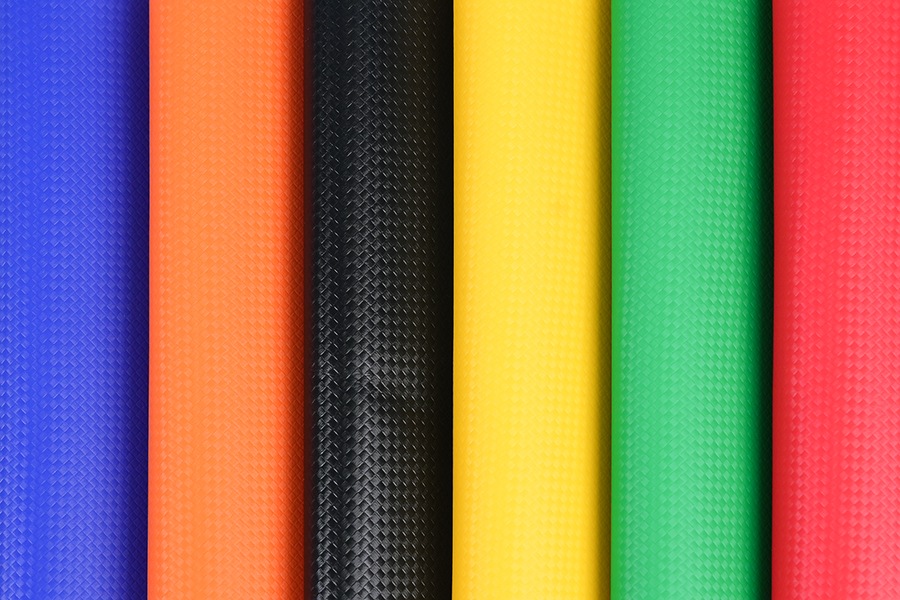
نوآوری های تکنولوژیکی در مواد داخلی خودرو همچنان ادامه دارد چرم مصنوعی خودرو ایفای نقش محوری عملکرد، دوام، حس لامسه و سازگاری با محیط زیست این ماده همه توسط جزء اصلی آن تعیین می شود: بستر پلیمری. در زنجیره تامین داخلی خودروهای حرفه ای، اصلی ترین و پرمصرف ترین بسترهای پلیمری عمدتاً در دو سیستم متمرکز شده اند: پلی اورتان (PU) و پلی وینیل کلراید (PVC).
پلی اورتان (PU): مترادف با عملکرد بالا و حفاظت از محیط زیست
در بازار فعلی خودرو، چرم مصنوعی پلی یورتان (PU) بدون شک انتخاب ارجح برای کاربردهای معمولی و پیشرفته است. محبوبیت مواد PU تصادفی نیست. آنها بهترین تعادل عملکرد را بین چرم طبیعی و پلاستیک های سنتی ارائه می دهند.
1. ساختار و مزایا: تنفس و مقاومت در برابر هیدرولیز
مزیت اصلی چرم مصنوعی PU در ساختار ریز متخلخل آن نهفته است. PU که با استفاده از فرآیند مرطوب یا فرآیند پیشرفتهتر بدون حلال تولید میشود، یک لایه متخلخل شبیه به چرم طبیعی ایجاد میکند و قابلیت تنفس و جذب رطوبت عالی را ایجاد میکند. این برای صندلی های طولانی مدت ماشین بسیار مهم است و به طور موثر راحتی سواری را افزایش می دهد.
از نظر شیمیایی، PU درجه یک خودرو معمولاً با واکنش پلیالهای پلی استر یا پلیالهای پلی اتر با ایزوسیاناتها تولید میشود. پلی اتر PU به دلیل مقاومت عالی در برابر هیدرولیز مورد علاقه OEM ها است. فضای داخلی خودرو برای مدت طولانی در معرض دما و رطوبت بالا قرار می گیرد و مقاومت در برابر هیدرولیز را به یک شاخص کلیدی از عمر مفید مواد تبدیل می کند.
2. ارتقاء فرآیند تولید: PU و TPU بدون حلال
برای برآوردن الزامات صنعت خودرو برای VOCهای کم و حفاظت از محیط زیست، PU سنتی با فرآیند مرطوب (با استفاده از حلالهایی مانند DMF) در حال حذف یا بهبود است. تمرکز تکنولوژیک فعلی به سمت زیر تغییر می کند:
PU بدون حلال: با استفاده از فناوری پلی یورتان واکنشی (RPU) یا پلی اورتان آب (Waterborne PU)، استفاده از حلال های آلی در منبع حذف می شود و انتشار VOC از تزئینات داخلی به طور قابل توجهی کاهش می یابد و استانداردهای کیفیت هوای سختگیرانه مانند VDA 270/278 رعایت می شود.
پلی اورتان ترموپلاستیک (TPU): TPU خواص مکانیکی عالی، مقاومت در برابر سایش و قابلیت بازیافت را ارائه می دهد. در بخش چرم مصنوعی خودرو، TPU اغلب برای پوششهای سطحی با کارایی بالا یا بهعنوان یک زیرلایه استفاده میشود، بهویژه در داخل خودروهای الکتریکی (EV)، که در آن وزن سبک و قابلیت بازیافت اهمیت بالایی دارد.
پلی وینیل کلراید (PVC): دوام و مقرون به صرفه بودن
برای چندین دهه، چرم مصنوعی پلی وینیل کلراید (PVC) به دلیل دوام عالی و مقرون به صرفه بودن، بر بازار خودروهای متوسط و پایین تسلط داشته است.
1. ویژگی های عملکرد: مقاومت در برابر خراش و تمیز کردن آسان
ساختار شیمیایی PVC مقاومت عالی در برابر خراش، مقاومت در برابر روغن و تمیز کردن عالی را ارائه می دهد. تنظیم نسبت نرم کننده ها در فرمولاسیون امکان کنترل انعطاف پذیر نرمی مواد را فراهم می کند. چرم پی وی سی معمولاً در پانل های درب خودرو، داشبوردهای پایینی و کاربردهای داخلی مانند کامیون ها استفاده می شود، جایی که دوام از اهمیت بالایی برخوردار است.
2. چالش ها و جایگزینی: فشار محیطی
با این حال، PVC به دلیل نگرانی های زیست محیطی با یک چالش بزرگ مواجه است. تولید سنتی پی وی سی و دفع زباله می تواند خطرات زیست محیطی ایجاد کند و تولید آن به کلر متکی است. علاوه بر این، نرمکنندههای فتالاتی که برای دستیابی به نرمی لازم هستند، در مقررات داخلی خودروهای جهانی به شدت محدود شدهاند. در نتیجه، پی وی سی به تدریج در حال جایگزین شدن با پلی اورتان (PU) در هر دو کاربرد خودروهای سواری پیشرفته و معمولی است.
بسترهای در حال ظهور و روندهای آینده
علاوه بر PU و PVC سنتی، صنعت چرم مصنوعی خودرو به طور فعال در حال بررسی بسترهای پلیمری جدید برای پاسخگویی به نیازهای آینده برای پایداری، مواد مبتنی بر زیستی و اقتصاد دایرهای است.
PU/PVC مبتنی بر زیستی: استفاده از منابع تجدیدپذیر (مانند نشاسته ذرت و روغن کرچک) برای جایگزینی برخی از مواد خام مبتنی بر نفت برای تولید پلیالهای زیستی، ردپای کربن را کاهش میدهد.
بسترهای PET بازیافتی: استفاده از پلی اتیلن ترفتالات بازیافتی (PET) به عنوان پارچه پایه برای چرم مصنوعی، استفاده مجدد از پلاستیک های زباله را امکان پذیر می کند و به طور مستقیم ارزش زنجیره تامین سبز محصول را افزایش می دهد.